Shiro Meda Market is a renowned shopping destination in Addis Ababa specializing in traditional Ethiopian clothing, hand-woven fabrics, and cultural handicrafts. With over 100 stalls, it offers a more manageable setting than Merkato to purchase authentic embroidered garments, dresses, and souvenirs.
Shiro Meda Market (also spelled Chiromeda) is an authentic and vibrant textile and clothing market located along Intoto Street in the Shiro Meda area of Addis Ababa, near the Entoto Hills. Compared to the massive Merkato, it offers a more modest, manageable, and intimate shopping environment featuring over 100 shops and stalls.
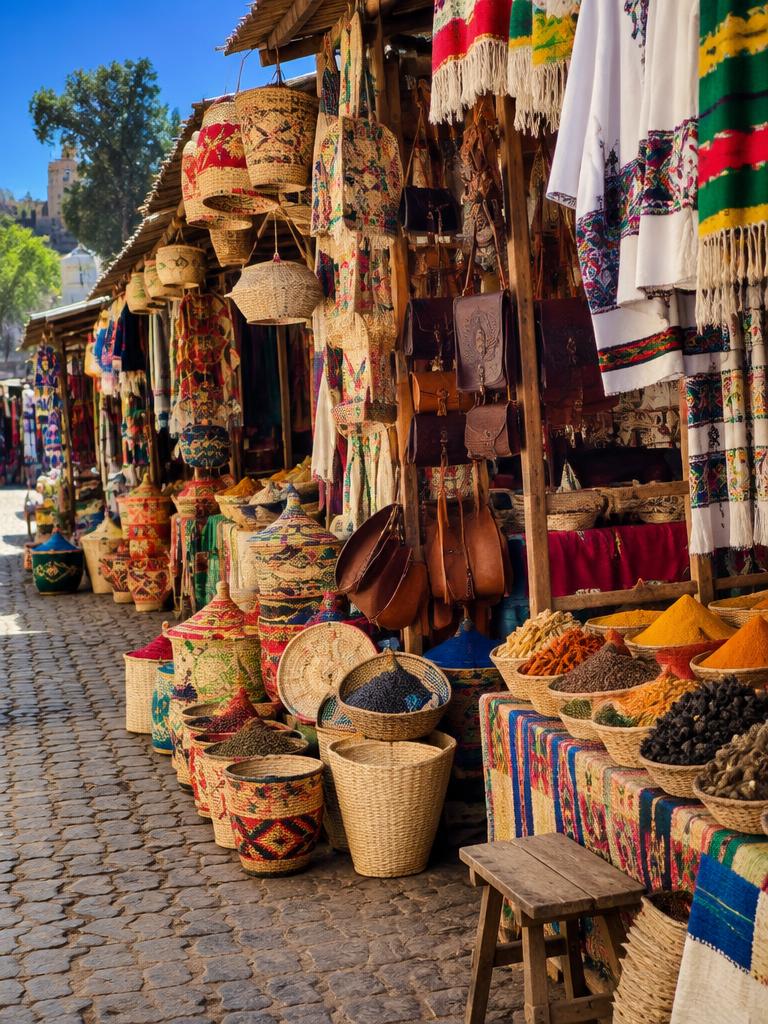
The market is renowned for traditional Ethiopian garments made from local cotton with handmade embroidery, including wedding dresses, everyday clothing, habesha kemis with intricate borders, hand-woven shawls, netela, and scarves. Alongside clothing and fabrics, vendors also offer arts, handicrafts, traditional woven baskets, souvenirs, and jewelry.
Both locals and tourists frequent the market to purchase attire for church ceremonies, weddings, and cultural gatherings. The shopping area consists of a maze of narrow pathways and walkway stalls, where visitors can interact with vendors and negotiate prices.
Highlights
- Extensive selection of authentic Ethiopian traditional dresses and habesha kemis with intricate hand embroidery
- Over 100 shops offering hand-woven fabrics, shawls, netela, and linens
- Market stalls selling Ethiopian arts, crafts, woven baskets, and traditional jewelry
- A manageable, intimate alternative to the sprawling Merkato for cultural textiles
Details
- zones
- Roadside front stalls, deeper uphill stalls, and weaver pit-loom yards behind shops
- specialties
- Traditional Ethiopian clothing and handloom weaving, including habesha kemis, netela shawls, and gabi blankets trimmed with tibeb patterns
- products sold
- Hand-woven cotton shemma cloth, habesha kemis dresses, netela shawls, gabi blankets, tibeb-bordered scarves, crosses, baskets, crafts, and jewelry
- bargaining customs
- Bargaining is normal and expected; prices are not fixed and vendors often quote an opening price well above the final price
- Best time
- Weekday mornings for a calmer pace; also the run-up to major Ethiopian Orthodox holidays (Timkat, Meskel, Genna)
- Time needed
- 1 to 3 hours
- Accessibility
- Features narrow pathways between stalls; one review notes it needs more space for mobility
Visitor tips
- Walk uphill past the first row of shops; deeper stalls are where the weavers themselves sell at lower prices than roadside asking rates.
- Ask vendors to show you the tibeb border patterns up close to explain the regional variations and meanings.
- Weavers work pit looms in yards behind the shops, allowing you to watch traditional border weaving before purchasing.
- Wear comfortable walking shoes to navigate the narrow pathways between stalls.
Questions
What items are sold at Shiro Meda Market?
The market specializes in traditional Ethiopian textiles and clothing, particularly handwoven cotton habesha kemis dresses, netela shawls, gabi blankets, and scarves with tibeb borders, as well as crosses, baskets, and jewelry.
Is bargaining expected at Shiro Meda Market?
Yes, bargaining is standard and expected. Vendors typically quote opening prices higher than the final accepted price.
When is the best time to visit Shiro Meda Market?
Weekday mornings offer a calmer shopping pace with better lighting and fewer crowds. The weeks leading up to major Ethiopian Orthodox holidays like Timkat, Meskel, and Genna are the most vibrant.
Are all clothes sold at Shiro Meda handwoven?
Both hand-woven and machine-woven garments are sold side by side. Visitors seeking authentic handwoven items should ask the vendor directly, as prices and craftsmanship differ substantially.